
Guides
Master the cozy incremental loop of Moon Garden: learn the pollen loop, stardust upgrades, mulch prestige timing, and your fastest route off the moon.
Introduction
Moon Garden beginners face one deceptively simple question: what do I do first on the lunar surface? This category answers it with a complete onboarding path. You will learn how the pollen loop works, why stardust is the only currency that survives a mulch reset, and how the central tree turns every garden decision into progress toward the escape. Think of these guides as the friendly neighbor who already finished the run — they tell you which flowers to plant, which seeds to pull, and which upgrades to buy so you never waste a precious early hour. The guides are written for a cozy, low-stress experience: nothing here requires frame-perfect timing or spreadsheet optimization on day one, just a sensible order for planting, spending and automating.
Reading Map: From First Pod to Escape
| Stage | Focus | Typical Goal |
|---|---|---|
| Early Run | First flower, first pollen | Keep a steady pollen trickle |
| Mid Run | Pods, seeds, stardust | Unlock better seeds and upgrades |
| Automation Era | Robots and satellites | Garden grows while you idle |
| Prestige Cycle | Mulch and reinvest | Tree climbs higher every run |
Reading Path
Beginner Guide
The fastest route from first pod to escape tree.
Stardust Upgrade Order
Which permanent upgrades deserve your stardust.
Flower Layout Basics
Arrangement beats raw stats in almost every garden.
Mulch Timing
When to reset the tree for maximum permanent gain.
Core Mechanics
The guides in this section assume the standard Moon Garden loop: flowers in garden pods generate pollen, pollen buys seeds from the pachinko machine and pod upgrades, stardust earned from mulching your tree funds permanent multipliers, and everything eventually feeds the central tree that must grow tall enough to escape. Each guide targets one slice of that loop — onboarding, resource priority, layout, automation and prestige timing. They follow the same structure so you can jump directly to the section you care about most: what to do, why it works, and the mistakes to avoid. Where the game is short on detail (a few achievement texts are still vague), the guides mark assumptions clearly and rely on community reports.
Advantages
The biggest advantage of reading the beginner guide path is that it collapses a few hours of trial and error into a clear sequence. You will know which early upgrades actually move the needle, how to arrange your pods so pollen income compounds, and when to stop hoarding such that you never stall at a fake wall. Because the game is short and runs are quick, the guides also teach a repeatable rhythm: grow, mulch, reinvest, grow taller. That rhythm converts a confusing first run into a checklist you can execute in under an hour, which keeps the cozy vibe intact while still feeling rewarding.
Challenges
The main weakness of guide-first play is that it can feel like following a recipe instead of exploring a cozy garden. Moon Garden is deliberately small and relaxing, so over-planning can remove some of the charm. The guides also carry a real-world limitation: with the game just launched and the community guide section still empty, several details — such as the exact odds per seed tier or the precise requirement text of a few hidden achievements — are not yet confirmed by official sources. Where the wiki lacks certainty, it says so, and it favors strategies that work under reasonable assumptions.
Frequently Asked Questions
Is there a correct starting order?+
How long does Moon Garden take to beat?+
Can I lose progress by mulching too early?+
Quick Tips
The single most valuable habit in Moon Garden is keeping pollen production running even when you are not actively playing. A small flower that produces steadily beats a perfectly optimized garden that sits idle while you read menus or rearrange pods, so before you walk away from the keyboard, check that every planted pod still has a working bloom in it. That one habit quietly compounds into most of your early progress.
Stardust is almost always better spent than saved, because permanent multipliers make every future flower, pod and automation task stronger forever. Instead of hoarding a big pile of stardust, buy the cheapest pollen multiplier you can afford whenever you mulch, then repeat. Three small compounding upgrades purchased early outperform one expensive upgrade bought late, and the difference shows up as hours of saved playtime across your runs.
When you are unsure what to improve next, automate. Robots remove the repetitive garden and research tasks you would otherwise babysit, and satellites add passive bonuses that stack with your flowers. Automation is also the fastest route to milestone achievements like Eyes in the Sky and Assembly Line, so building a machine early is both an efficiency win and a completionist win at the same time.
Featured
Moon Garden Beginner Guide: Plant, Pollen and Progress
Master the Moon Garden beginner guide to planting flowers, earning pollen, pulling pachinko seeds, and stacking stardust upgrades for a smooth first escape.
Moon Garden What to Do First: New Player Checklist
Plan your Moon Garden first steps with a new player checklist covering flower pods, pachinko pulls, stardust buys, robot unlocks, and the tree growth target.
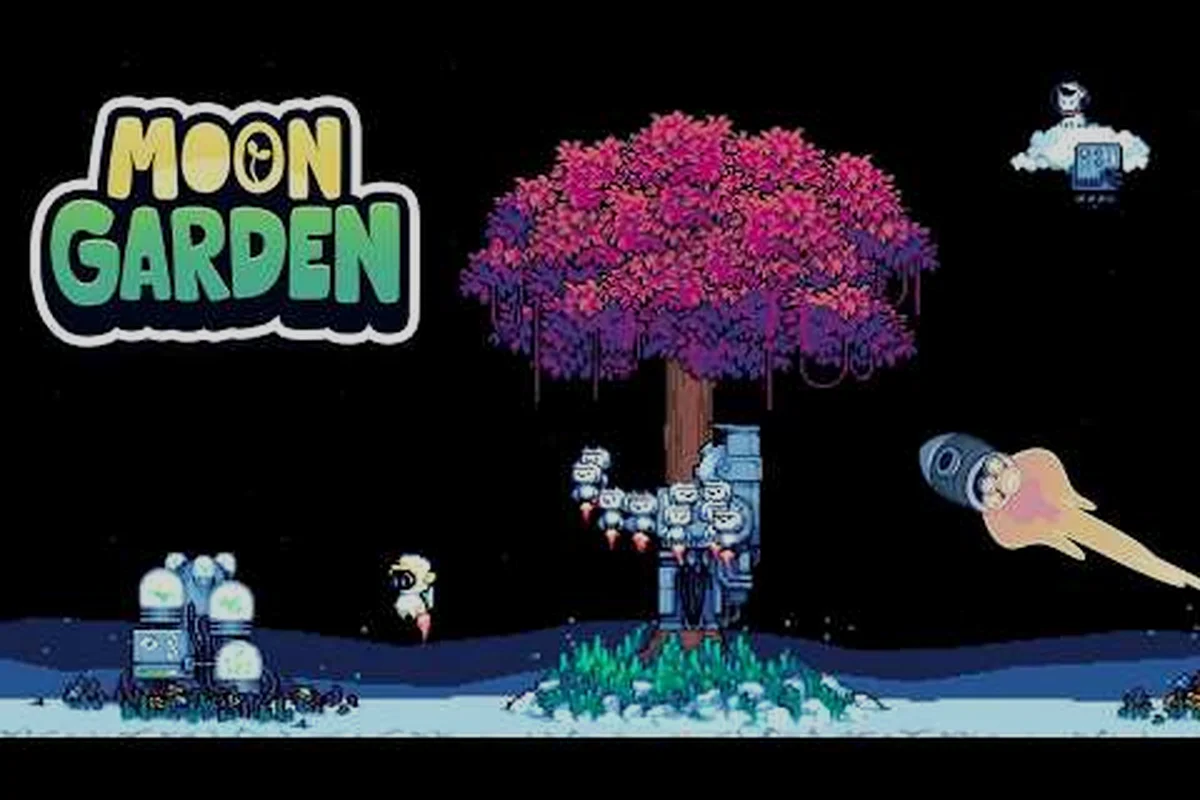
Moon Garden Gameplay: The Cozy Incremental Loop
Explore Moon Garden gameplay as a cozy incremental: arrange flowers, pull pachinko seeds, automate with robots, and mulch the tree to grow taller every cycle.
All Articles
Moon Garden Grow a Tree: From Seed to Escape
Learn how to grow a tree in Moon Garden from tiny sapling to escape ending, with the pollen loop, pod upgrades, and plant care that keep height climbing.
Moon Garden First Hour: Set Up the Perfect Run
Use your Moon Garden first hour wisely: which flowers to plant, which pachinko seeds to buy, and which stardust upgrades give the strongest early returns.
Moon Garden Full Guide: Master the Incremental Loop
Work through the complete Moon Garden full guide covering flowers, seeds, stardust, robots, and mulch resets so you can optimize every part of the loop.
Moon Garden Game Length: How Long to Beat
Moon Garden game length lands around 1.5 to 3 hours for the main escape ending, with extra time for the 16 achievements and a fast completionist run.
Moon Garden Unlock Flowers: Research and Pod Milestones
Find out how to unlock flowers in Moon Garden by buying rare pachinko seeds, researching new tiers, and expanding Garden Pods until the full lineup is planted.
Moon Garden Pollen: The Currency That Drives Growth
Understand what pollen does in Moon Garden: flowers produce it, pods and machines multiply it, and stardust upgrades make every pollen point count toward the escape.
Moon Garden Idle Guide: Maximize Pollen and Stardust
Run a hands-free Moon Garden idle guide: robots, satellites, and assembly lines automate pollen while stardust multipliers carry your garden to the ending.