
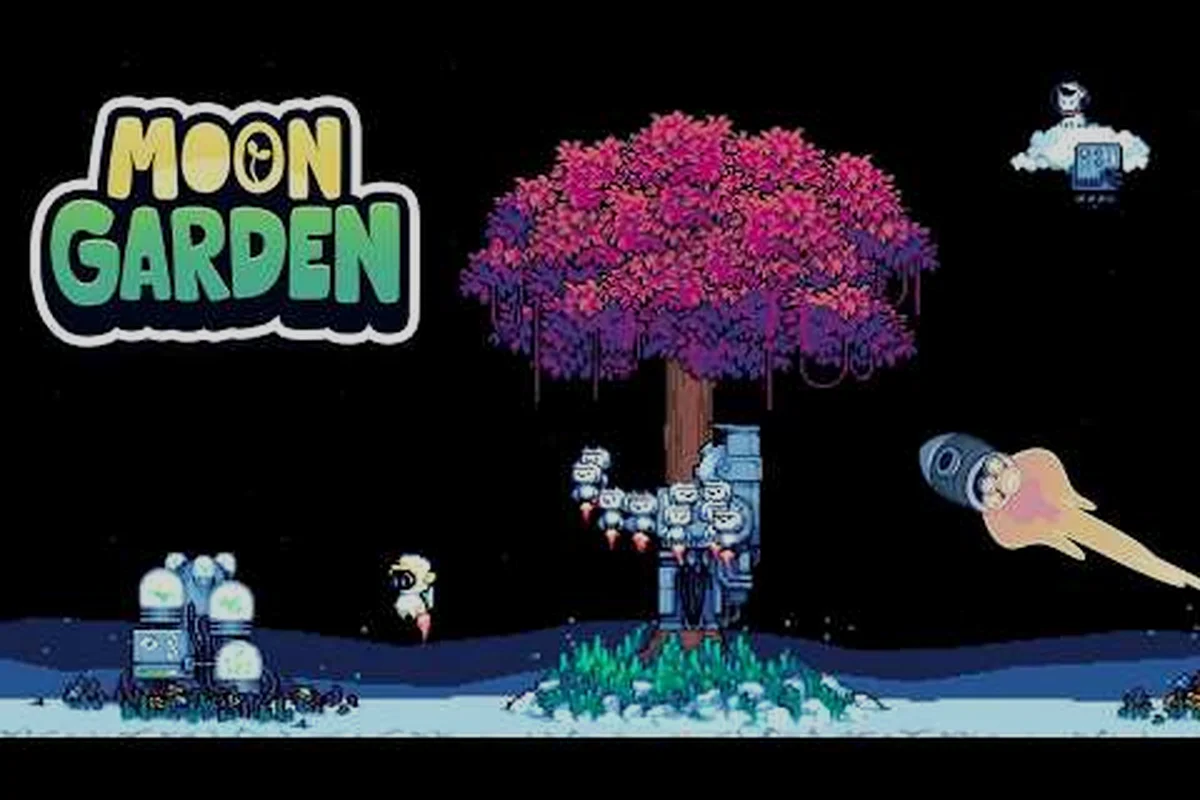
Learning how to grow a tree in Moon Garden is the entire point of the game, and the path from a stumpy sapling to a moon-escaping giant is friendlier than it looks once you understand the pollen-to-Stardust loop. According to the Moon Garden's Steam store page, the cozy incremental is built around planting flowers in Garden Pods, spending Stardust on permanent upgrades, and slowly pushing your central tree upward until it finally reaches escape height. This Moon Garden progression guide walks through every step a new player needs, from the first seed drop to the final mulching reset, so the climb never feels random.
What Growing a Tree in Moon Garden Actually Means
The tree in Moon Garden is not a passive decoration that fills in on its own; it is a living progress bar that responds directly to what you plant, how efficiently you harvest, and how wisely you spend your Stardust between runs. According to community write-ups, the entire game can be summed up as a single sentence: plant flowers, collect pollen, buy better seeds, push the tree taller, and repeat. If you are new to the cozy incremental genre, the Moon Garden beginner guide gives a broader orientation, but the short version is that height, not speed, is the only metric that matters.
The tree's growth is driven by a closed loop with four moving parts that all feed the same trunk, and understanding how pollen, Stardust, seeds, and the Pachinko Vending Machine interlock is what separates a stalling mid-game run from a steady climb past the canopy. Each harvest deposits pollen into a shared pool, a slice of that pollen pushes the tree taller, leftover pollen buys new seed tiers at the Pachinko Vending Machine, and mulching the tree converts excess pollen into Stardust — the only resource that survives between runs. Miss any one stage and the loop starves, which is why new players who focus purely on height without rotating their Garden Pods or spending Stardust on permanent upgrades plateau around the 50% mark.
-
Garden Pods where individual flowers grow on timers
-
Pollen the currency that the tree consumes to add height
-
Stardust the permanent currency that unlocks upgrades between runs
-
The Pachinko Vending Machine that converts pollen into new seed types
Players who skip any one of those four pieces tend to stall out around mid-game, which is why most Moon Garden starting guide questions on community threads are really questions about timing — when to spend pollen on height, when to spend it on seeds, and when to mulch the tree for a Stardust boost.
Core Moon Garden Mechanics Explained
The mechanics in Moon Garden are layered, so the easiest way to learn how to grow a tree in Moon Garden is to master each layer in order. Below is the practical layer cake that new players climb during the first two or three runs.
Layer 1 — The Garden Pods
Garden Pods are the small planters where you drop seeds and watch them bloom. Each pod holds one flower at a time and produces pollen on a short cycle. The first pod is free, and additional pods are purchased with pollen. According to the official store description, pods are the foundation of the economy, so unlocking a second and third pod early is almost always worth the pollen cost, even if it slows tree height growth for a minute.
Layer 2 — Pollen and the Pachinko Vending Machine
Pollen is the soft currency that the tree itself eats to add height, and it is also the ticket price at the Pachinko Vending Machine. You drop pollen in, the machine spits seeds out, and rarer seeds give stronger pollen-per-cycle when planted. Reported by players, the best early move is to alternate: feed the tree just enough pollen to push it past the next visual milestone, then divert the rest into the pachinko machine for higher-tier seeds. That rhythm is the heart of any Moon Garden progression guide.
Layer 3 — Stardust and Permanent Upgrades
Stardust is the hard currency. You earn it by mulching the tree, which resets its height but keeps your permanent upgrades. Community data suggests that first-time players can expect their first mulch somewhere between 30 and 60 minutes into a run, depending on how aggressively they push seeds. A detailed look at the reset itself is in the Moon Garden mulching guide, but the key takeaway is that Stardust unlocks things like faster pods, better vending odds, and helper robots that automate pollen collection.
Layer 4 — Robots, Satellites, and Automation
Once you have a comfortable pollen income, helper robots and satellites take over the click-heavy parts of the game. According to the developer description, these little helpers keep the pods producing even while you are away from the keyboard, which is why the genre is called an incremental. The automation tier is where Moon Garden stops feeling like active gardening and starts feeling like watching a number go up — a cozy payoff for early patience.
Your First Run — Moon Garden Starting Guide
A first run in Moon Garden is short, forgiving, and intentionally gentle, because the game wants new players to learn the core loop without a punishing fail state. The table below outlines the rough milestones most beginners hit during the opening run, based on community reports from the early-access window.
| Milestone | Approximate Time | Key Action |
|---|---|---|
| First Pod unlocked | 0–2 min | Plant the starter seed and watch pollen appear |
| Second Pod bought | 5–10 min | Spend pollen to expand output |
| First Pachinko pull | 10–15 min | Trade spare pollen for a better seed |
| First visual tree growth | 15–25 min | Let height climb past the first knot on the trunk |
| First Mulch | 30–60 min | Reset the tree, keep Stardust upgrades |
| Second Run | 60–90 min | Use Stardust bonuses to reach the previous max height much faster |
The single biggest beginner mistake is hoarding pollen. The seed machine, the pods, and the tree height all want pollen flowing through them, and keeping it in the bank just delays the next upgrade. New players who learn that lesson within the first ten minutes tend to reach their first mulching point well under an hour, which is the unofficial benchmark for any Moon Garden starting guide.
What to Spend Pollen On First
During the first Moon Garden run, your tree starts as a tiny seedling with only one Garden Pod slot active, so every drop of early pollen is essentially multiplied by your future pod count. Spending should follow a strict capacity-first order: unlock the Second Garden Pod before chasing rare seeds, because doubling the active planting area instantly doubles your pollen-per-tick income. A common beginner mistake is burning 500+ pollen on a fancy new seed from the Pachinko machine while still running a single pod, which effectively halves the new tree's growth contribution compared to just unlocking the second slot first.
-
Second Garden Pod — doubles your active pollen output immediately
-
First Pachinko pull — even a mediocre new seed beats the starter once planted
-
Third Garden Pod — triples output and starts to snowball
-
Height milestones — only push the tree taller when pods are all busy
According to the official store description, automation helpers come later, so early pollen is best spent on raw capacity rather than quality-of-life tools. That advice is echoed across the Moon Garden idle guide, which is a useful companion piece if you want to optimize the waiting-room phase between active sessions.
The Pollen-to-Stardust Loop, Step by Step
The single most important thing in any Moon Garden progression guide is the five-step cycle that turns soft pollen into permanent Stardust, and skipping any one of them breaks the rhythm in a way that's very hard to recover from mid-run. Each link in the loop is actually a dependency: planting flowers feeds the Pachinko Vending Machine, the machine's higher-tier seeds boost pollen-per-cycle, that surplus is what finally lets the Pachinko Trees visibly grow taller, and only a well-timed Mulch at a real milestone banks the run as Stardust. Community data suggests that experienced players can clear two or three full loops in a single sitting, which is why the question for most beginners quickly stops being how to grow a tree in Moon Garden and starts being how fast they can push a single run before mulching.
| Step | Action | Result |
|---|---|---|
| 1 | Plant flowers in every available Garden Pod | Steady pollen production begins |
| 2 | Feed pollen into the Pachinko Vending Machine | Rarer seeds drop at random |
| 3 | Replace low-tier seeds with higher-tier drops | Pollen-per-cycle rises |
| 4 | Direct surplus pollen into tree height | The trunk visibly grows |
| 5 | Mulch the tree at a good milestone | Stardust is banked, the run resets, upgrades stay |
This loop is the entire game in compressed form. Once the five steps feel automatic, the question stops being how to grow a tree in Moon Garden and starts being how fast you can push a single run before mulching. Community data suggests that experienced players can clear two or three full loops in a single sitting, which is where the real progression curve lives.
When to Mulch the Tree
Mulching too early wastes potential, and mulching too late slows the next run. The sweet spot, based on player experience, is when the next visible height milestone is taking noticeably longer than the last one, because that slowdown is the early sign of diminishing pollen returns. The detailed timing question is answered in the Moon Garden stardust mulch guide, but a simple rule of thumb is: mulch when the height-per-minute has dropped by roughly a third compared to the run's best minute.
Mid-Game Progression and Robot Automation
Once Stardust upgrades start landing, the game shifts from active gardening to light management. This is the point where Moon Garden mechanics explained really matters, because the mid-game introduces overlapping timers, helper robots, and satellite bonuses that all compete for the same pollen.
The Helper Robot Tier
Helper robots take over pod collection, so the player no longer has to click every flower at maturity. According to the developer description, robots can be built gradually with Stardust and configured to focus on whichever pod is producing the rarest seed at the moment. Community reports indicate that most players unlock their first robot between the first and second mulches, and a second robot shortly after, which is when idle income really takes off.
Satellite Bonuses
Satellites are the second automation layer and tend to arrive a bit later. They provide passive bonuses such as faster seed rolls, larger pollen payouts, or better pachinko odds. Reported by players, the first satellite is usually a small boost, but stacking two or three transforms the late-game economy into something almost self-sustaining, which is how the final escape-height run becomes possible.
Combining Robots and Satellites
| Build Phase | Robots Active | Satellites Active | Typical Pollen/min |
|---|---|---|---|
| Early | 0 | 0 | Slow, click-driven |
| Mid | 1 | 0 | Steady, mostly idle |
| Late | 2 | 1 | Fast, fully passive |
| Endgame | 3+ | 2+ | Maximum, near-instant mulches |
Players who reach the endgame build phase typically finish a run in a fraction of their original time, which is why the loop feels rewarding even after several resets. For a deeper look at permanent progression between runs, the Moon Garden permanent progression guide walks through which Stardust upgrades to prioritize for the long climb.
Frequently Asked Questions
How long does it take to grow a tree in Moon Garden for the first time?
A first run usually lasts between 30 and 90 minutes depending on how aggressively the player spends pollen on seeds versus tree height. According to community data, beginners who buy a second Garden Pod early and pull from the Pachinko Vending Machine often reach their first mulch well under an hour, which is a healthy pace for any Moon Garden starting guide.
What should I spend my first pollen on?
The first pollen is best spent on a second Garden Pod, because doubling active production pays back faster than pushing tree height. The Pachinko Vending Machine is the second priority, since a single rare seed can outperform the starter for the rest of the run, and the official Moon Garden page on Steam describes this expansion rhythm as the intended opening loop.
When should I mulch the tree in Moon Garden?
Mulch the tree when the height-per-minute has clearly slowed and the next visual milestone feels expensive. Reported by players, the first mulch usually happens once the second and third pods are paid for and the first Stardust-relevant upgrade is within reach, which is the practical answer to the Moon Garden mechanics explained question of when to reset.
Do robots make Moon Garden fully idle?
Robots handle the click-heavy pod collection, and satellites add passive bonuses, so by mid-to-late game Moon Garden becomes almost fully idle. According to the developer description, stacking two or three helpers turns the late game into a near-passive experience, which is the cozy payoff the genre is built around and a key milestone in any Moon Garden progression guide.
Can I keep Stardust between runs in Moon Garden?
Yes, Stardust is the permanent currency that persists across mulches, while pollen resets each run. According to the official store description, spending Stardust wisely between runs is what makes the second and third loops noticeably faster, which is the entire point of the prestige system and the reason a Moon Garden starting guide always ends with a mulch tutorial.