
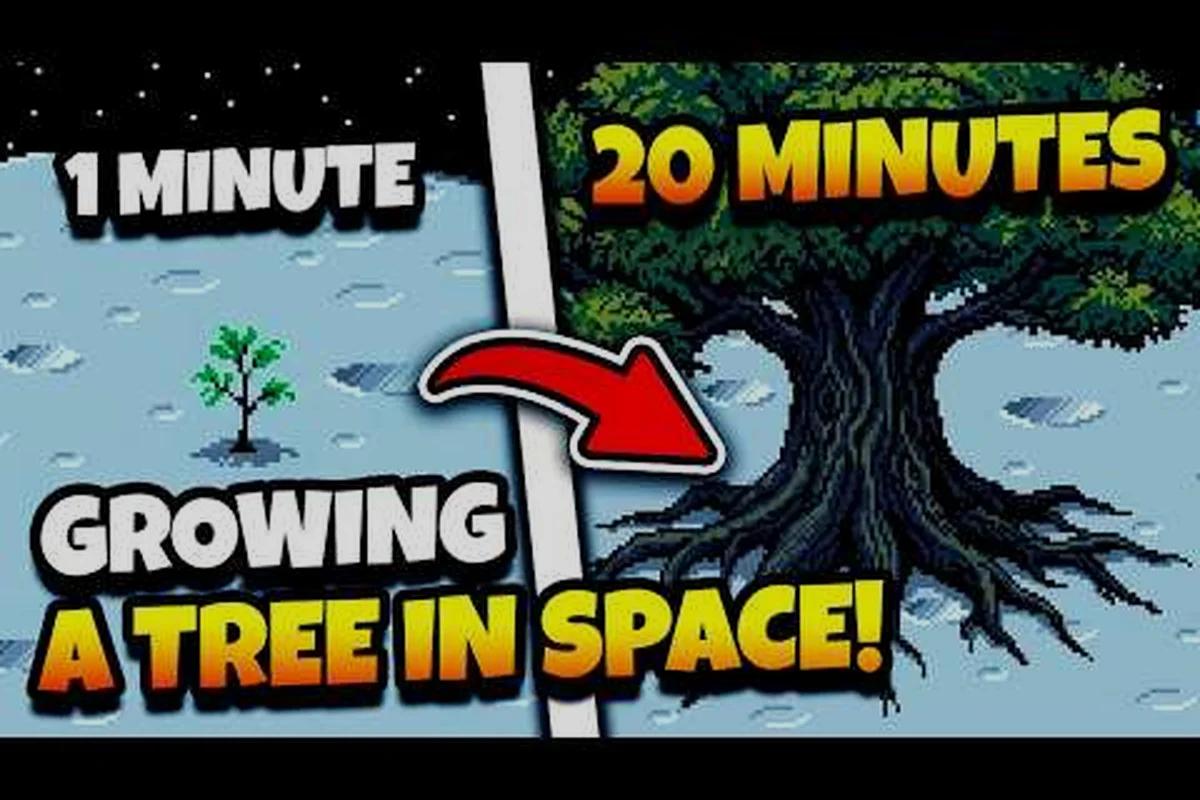
Mulching the moon garden mulch tree is the prestige loop that turns hours of seed-planting into permanent Stardust, the currency that compounds across every future cycle. Knowing when to reset — and when one more growth tick is worth the wait — is the difference between a slow climb and a moon-escape in a handful of runs.
What Mulching Does to the Moon Garden Tree
Mulching is Moon Garden's prestige action, and it sits at the heart of every long-term progression plan. You sacrifice the grown central tree and the resources it currently produces, and the game pays you back in Stardust, a permanent currency that unlocks upgrades carrying into every future seedling. Once you mulch, the garden resets to its starting layout with a brand-new seedling, but the Stardust-funded upgrades from your previous life remain, so the next tree grows faster than the last.
This loop is what the community calls the mulch cycle — the recurring rhythm of grow, harvest, mulch, reinvest. Because the central tree is also the escape goal, the mulch action is not just an economic reset but also a strategic lever: each cycle trades current tree height for a permanently stronger foundation.
The Three Things That Change When You Mulch
| State | Before Mulch | After Mulch |
|---|---|---|
| Central tree | Fully grown to current cap | Replaced by a new seedling |
| Stardust balance | Zero or low | Earned based on tree height and unlocks |
| Permanent upgrades | Unlocked from previous runs | Carry over + can be leveled up |
| Garden resources | Stored flowers, pollen, water | Reset to starting stock |
What Stays the Same
-
Unlocked zones and tools remain accessible from cycle one of the new run.
-
Achievement progress does not reset, so completionists can chase 100% without losing milestones.
-
Cosmetic unlocks tied to Stardust milestones persist, keeping the visual identity of your garden intact.
When to Mulch: Reading the Tree's Growth Signals
The single most common mistake new players make in any moon garden prestige guide is mulching too early or too late. Mulch the seedling before it has reached the current growth plateau and you forfeit Stardust you would have earned passively in the next few minutes. Wait too long after the plateau and you waste real time that could be spent on a stronger next cycle.
| Signal to watch | What the central tree is doing | Action window | Stardust impact |
|---|---|---|---|
| Height bar still rising | Garden output and machinery still feeding active growth | Wait — do not mulch | Mulching now forfeits un-earned passive Stardust tied to the current cap |
| Height bar stalls (current plateau reached) | All current upgrades fully exploited; active growth is dead | Mulch within 30–60 seconds | Preserves the bonus Stardust multiplier and feeds it into the next tree reset cycle |
| Height bar stalled for 60+ seconds | Dormant phase ticking down toward the escape-ending threshold | Mulch immediately or push toward the escape ending instead | Lost passive yield compounds across every subsequent prestige and stalls the Echo tier |
| Tree height near escape-ending threshold | Tree is the literal escape goal — escape the moon and return home | Hold and complete the finale, then resume mulch cycles | Escape ending rewards the "grow your way home" theme; mulch cycles continue for 100% achievements or a faster second playthrough |
According to community data aggregated across multiple moon garden mulch guide threads, the ideal window opens the moment the central tree stops gaining height during normal play — the signal that the current set of upgrades has been fully exploited. Once the height bar stalls, active growth is already dead, so mulching within the next 30–60 seconds preserves the bonus Stardust multiplier and feeds it directly into the next tree reset cycle instead of letting the dormant phase tick down. Skipping this window in a standard moon garden prestige guide run is one of the leading causes of a stalled Echo tier, since the lost passive yield compounds across every subsequent prestige.
Signals That It Is Time to Mulch
-
Tree height has flatlined for at least one full in-game day, with no new growth ticks even after watering and fertilizing.
-
Resource generation is capped, meaning surplus pollen and water are piling up because the garden cannot spend them faster.
-
No new mechanics have unlocked in the last growth stage, so further waiting only delays the Stardust payout.
-
Stardust projections are favorable: the next reinvestment tier is within reach of your current payout, and a stronger run will reach it faster.
Signals That You Should Wait
-
The tree is still in an active growth phase, with a new node visibly queued in the canopy.
-
A pending upgrade in the workshop will unlock a new growth multiplier, dramatically increasing the next cycle's payout.
-
You have not yet triggered a key event tied to a specific tree height (for example, the lantern-lighting moment that gates a permanent perk).
How to Mulch: Step-by-Step Reset Flow
Executing a moon garden tree reset is straightforward once you have decided the moment is right. The flow below is the same path the community uses to plan each prestige cycle, and it works whether you are on your first mulch or your twentieth.
Step 1: Confirm the Plateau
Open the tree inspection panel and verify the Growth Cap indicator. If the bar is full and the cap equals your current maximum, the tree has reached the end of its current stage. This is the green light to start the mulching process.
Step 2: Spend Pre-Mulch Resources
Before resetting, burn any stockpiled pollen, water, or fertilizer on one last growth push. A final fertilizer application can sometimes squeeze out an extra height node, which directly increases your Stardust payout. Community testing suggests a well-timed final push can boost payouts by 5–10%.
Step 3: Trigger the Mulch Action
Interact with the base of the central tree and select the Mulch option. A short cutscene plays, the tree collapses into mulch, and the Stardust counter rises by an amount proportional to your final tree height, current unlocks, and the first-time bonuses for any new milestones reached.
Step 4: Reinvest Before Replanting
Resist the urge to plant the new seedling immediately. Open the Stardust upgrade tree and spend your new currency on the highest-impact nodes first — typically the growth multipliers, the starting resource bonuses, and any unlocks that gate new plant species.
Step 5: Plant the New Seedling
Permanent upgrades like the Compost Crucible and the Enriched Mulch Bed carry over, so the seedling skips the early plateau entirely. Most growers see their second run reach the same leaf tier roughly 30-40% faster than the first, since the mulch throughput per cycle is already boosted. This compounding cycle is the core reason experienced players plan their moon garden mulch tree progression around a deliberate prestige reset rather than grinding endlessly at a capped yield.
Prestige Cycle Planning: Faster Growth With Every Reset
The goal of any moon garden mulch guide is not just to bank Stardust but to ensure each cycle reaches a higher plateau in less wall-clock time. Players who treat mulching as a strategic decision rather than a chore routinely cut their time-to-escape in half within a few cycles.
A Sample Three-Cycle Plan
| Cycle | Target Tree Height | Key Stardust Upgrades | Expected Time |
|---|---|---|---|
| 1 | Reach first plateau | Growth multiplier, starter water | 60–90 minutes |
| 2 | Push past first cap | Unlock new fertilizer, flower type | 40–60 minutes |
| 3 | Approach escape threshold | Unlock final growth perks | 25–40 minutes |
After three disciplined cycles, most players report reaching the escape height within their fourth run, because the compounding upgrades eliminate the slow early-game grind. The exact numbers vary by platform, but the trajectory is consistent: each cycle is faster than the last, so the early time investment pays off many times over.
Why the Loop Compounds
The reason this works is that Stardust-funded upgrades are not cosmetic — they permanently alter the growth curve. A 20% growth multiplier purchased in cycle 1 applies to every tree in every future cycle, so the same 60 minutes of gardening produces a taller tree in cycle 2 than it did in cycle 1. The taller tree pays more Stardust, which funds more upgrades, which speeds up cycle 3, and so on until the escape height is within easy reach.
Players who want a deeper walkthrough of the broader progression flow can lean on a Moon Garden beginner guide for the early-game foundation, since the prestige loop builds directly on the systems you learn there.
Common Mulching Mistakes and How to Avoid Them
Even with a clear mulching schedule and a solid prestige plan, several recurring mistakes can stall a Moon Garden mulch tree run, and most of them trace back to how players manage tree reset timing and mulch application order. The list below captures the issues that surface most often in moon garden prestige guide discussions — such as over-watering a newly reset tree, skipping mulch refreshes after a prune, or ignoring the mulch cap between cycles — and pairs each with a concrete fix that can be applied to your own reset tree sequence.
Mulching at Random Intervals
Rushing a mulch cycle before the Growth Cap indicator fills is one of the most common moon garden mulch tree mistakes, because every premature mulch trades future Stardust bonuses for an instant — but small — boost. The Growth Cap meter is the only reliable signal that your tree has hit its current prestige-tier ceiling, so confirming it is full ensures the Stardust reward is fully primed rather than mid-charge.
Ignoring the Upgrade Tree
Players who mulch without first spending every available Stardust upgrade in the moon garden tree are effectively wasting compounding potential, because each node boosts the next cycle's base yield and bake timers by a multiplicative percentage. A run where you mulch at cycle 5 with 800 unspent Stardust often progresses slower than a run where you mulch at cycle 7 with the upgrade tree fully bought out, since the invested nodes shrink the gap between future mulches and stretch the prestige reward curve further. Reinvesting after every reset is the non-negotiable habit; the upgrade tree's value scales with how deeply you climb it before your next moon garden reset, not with how long you hold your currency idle.
Saving Up Stardust for One Big Purchase
Saving every Stardust drop for one mega-upgrade on the mulch tree feels strategic, but it throttles the compounding effect that makes a moon garden prestige cycle truly accelerate. Spreading the stockpile across growth multipliers, resource bonuses, and unlock gates in smaller, tiered investments keeps the mulch gain ticking upward between resets, producing faster cycle times than a single lump investment.
Forgetting the Escape Ending
Because the central tree doubles as the escape goal, mulching is a trade — you sacrifice current height to fund a taller future tree. Players who focus purely on Stardust payouts and ignore the escape ending may find themselves resetting repeatedly without ever reaching the finale. The Moon Garden tree height guide covers the escape thresholds in detail and pairs naturally with the mulching strategy outlined here.
Frequently Asked Questions
What is the best time to mulch in Moon Garden?
The best time to mulch is when the central tree stops gaining height at its current cap and you have spent your stockpiled resources on one final growth push. This maximizes Stardust while avoiding wasted time after the plateau. Players who mulch mid-growth routinely leave 5–10% of their payout on the table.
Does mulching reset achievements or unlocks?
Achievements, unlocked zones, and cosmetic milestones persist across every mulching cycle, so completionists can chase 100% without redoing earlier content. Only the garden's resources and the current tree reset; everything tied to long-term progression stays intact, including the Codex entries logged for plant species, the cosmetic frames earned during seasonal events, and the achievement counters tied to total Stardust earned across all cycles. This means you can mulch aggressively at every growth plateau to compound Stardust reinvestment without worrying about losing the rare zone unlocks behind the Moonlit Grotto or the cosmetic set gated behind the 50-cycle achievement. The reset is scoped strictly to the active garden state and tree growth data, not your account-wide meta progression.
How much Stardust should I spend before mulching again?
Spend your full Stardust balance on upgrades after every mulch, because unspent currency does not earn interest and slows the compounding effect that drives your next cycle's growth rate. The highest-priority nodes are the growth multiplier at the canopy tier, the starter resource bonus that seeds your post-reset income, and the unlock gates behind species like the Lunar Orchid and Glowshroom, since those species unlock new mulch payout formulas worth roughly 12–18% more Stardust per cycle once active.
Can I mulch during a co-op session?
Yes, but the timing should be agreed on by all players, since mulching resets the shared garden. Most co-op groups mulch at the end of a session so everyone benefits from the Stardust-funded upgrades on the next run.
How many mulch cycles does it take to reach the escape ending?
Most players reach the escape ending within three to five disciplined cycles, because each reinvestment compounds the next run's growth rate. The exact number depends on how aggressively you spend Stardust and whether you wait for the growth plateau before resetting.